

The video pile is growing (and nobody’s sorting it)
After twenty years of pointing cameras at people in suits, I can tell you one thing for certain: organisations are not short on video. Town halls, Teams meetings, training sessions, product briefings, compliance updates, client webinars. It all gets recorded, and that’s genuinely a good thing.
The trouble starts the day after. Where does it all go? In most businesses we walk into, the honest answer is “somewhere in Teams, probably.”
The real job now isn’t making video. It’s making sure the useful stuff inside it can be found again by the people who need it.

The two minute answer buried in a sixty minute recording
Here’s a scenario you’ll probably recognise. Someone in your team needs one detail from a leadership update that ran six months ago. They don’t want the whole hour. They want the two minutes where the CEO explained the new approval process.
So they go hunting. They find the recording (eventually), scrub through the timeline, guess, scrub some more, and then give up and message a colleague who was there. That colleague stops what they’re doing to help, and now two people have lost twenty minutes.
This isn’t just me having a grumble. Microsoft’s Work Trend Index found 62% of people say they spend too much time searching for information. Atlassian research found more than half of knowledge workers struggle to track information down, even when they know someone in the business has it. The knowledge exists. Getting to it is the hard part.
A bit of back of the envelope maths
These numbers are purely illustrative, but they make the point nicely. Our example business has 300 staff, and better access to its recorded knowledge saves each person 15 minutes a week.
| Assumption | Figure |
|---|---|
| Staff | 300 |
| Time saved per person | 15 minutes a week |
| Working weeks | 46 a year |
| Hours recovered | about 3,450 a year |
| Average cost per staff hour | $60 (AUD) |
| Value of that time | about $207,000 a year |
No platform magically hands you $207,000. Adoption, workflows and content quality all play their part. It does raise a fair question though: how much is it costing you to have people repeatedly digging for knowledge you’ve already paid to create?
The recording is just the box
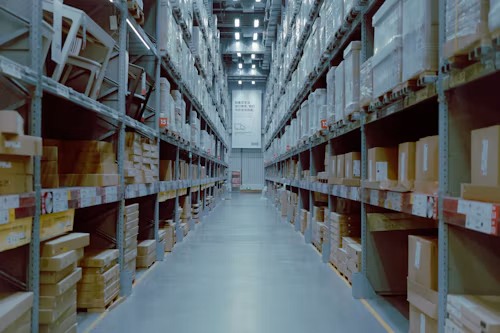
Most organisations still treat a video like a file. It gets recorded, uploaded, watched by a handful of people, and then quietly retired to an archive nobody visits.
What’s actually sitting inside those recordings is far more valuable:
- Leadership decisions, and the reasoning behind them
- Regulatory and compliance guidance
- Product knowledge and customer insights
- Training that took real time and money to produce
- Operational knowledge that usually lives in a few people’s heads
- Expertise from experienced staff who won’t be around forever
The video is just the box it came in. The knowledge is the gift. If nobody can find it, you’ve basically wrapped it up beautifully and popped it in the shed.
What a proper enterprise video platform should do
The shift worth making is from searching for the video to searching for the answer. Nobody should have to remember that the onboarding change came up in “the March town hall.” They should be able to type “what changed in customer onboarding?” and land on the right moment.
Here’s what I look for when we help clients choose and set up a platform:
| Capability | Why it matters |
|---|---|
| Automatic transcripts and captions | Every spoken word becomes searchable text, and accessibility gets sorted at the same time |
| Search inside the video | Results jump straight to the moment a topic was discussed, not just the file |
| AI summaries and chapters | People can see what's in an hour long recording in about thirty seconds |
| Permissions and single sign on | Sensitive content stays with the right audience, with no extra logins to forget |
| Live streaming into the same library | Your town hall streams live, then becomes searchable on demand without anyone lifting a finger |
| Branded video portal | Staff get one familiar home for video instead of a scavenger hunt |
| Microsoft 365 and LMS integration | Video turns up where people already work and learn |
| Meaningful analytics | You can see whether content actually helped, not just how many times it was clicked |
None of this is about making people watch more video. It's about helping them spend a lot less time looking.
Where Microsoft 365 fits
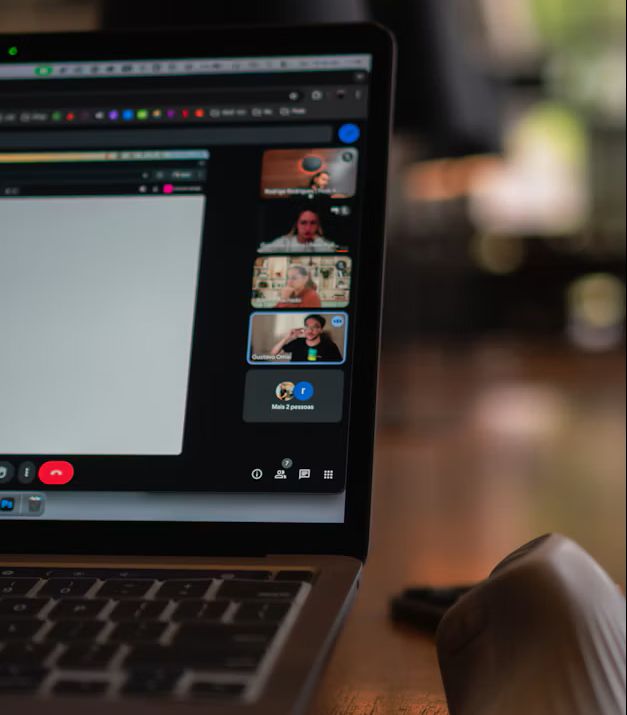
Most of our clients already live in Microsoft 365, and there’s no reason to rip that out. Teams is where people collaborate, SharePoint and OneDrive hold the documents, and that’s all working fine.
A dedicated video platform sits alongside it rather than replacing it. The way I explain it to clients: Microsoft 365 is where your people work, and a proper video platform is what turns the recordings they make into something managed, secure and searchable.
So the question isn’t really Microsoft versus something else. It’s whether your current setup genuinely lets people find, govern and reuse what’s inside your video. For plenty of organisations, the honest answer is “not really.”
It’s not just a comms problem
Video touches nearly every corner of a business, and each team has its own reason to care:
- Communications wants leadership messages reaching the right people
- Learning and development wants training that stays useful long after the session ends
- Compliance needs staff looking at current guidance, not last year’s
- Sales wants product knowledge on tap when a client throws a curly question
- IT wants security, governance and fewer rogue upload folders
- Everyone else just wants the answer without sitting through an hour of slides
A quick health check for your video setup
If video is a big part of how your organisation communicates, these five questions are worth a few minutes of your time:
- How much video are we producing each month, and where does it all end up?
- Could someone find a specific point from a six month old recording in under two minutes?
- How much time are our people losing to searching for things we already know?
- Do we actually know who can see our most sensitive recordings?
- Are we measuring views, or whether our video genuinely helps people do their jobs?
That last one deserves a moment. A video with 5,000 views isn’t automatically worth more than one with 50. If those 50 people found exactly what they needed and got on with their day, that’s a win you’ll never spot on a view counter.
So, where to from here?
The best measure of a video strategy probably isn’t how many videos you make or how many views they rack up. It’s how quickly someone can get an answer out of the knowledge you’ve already captured.
That’s the kind of work we love at JPL Media. We’ve spent two decades producing, streaming and managing video for government, higher education, medical colleges, academic conferences and long running webinar programs, so we know what it takes to turn a pile of recordings into a library people actually use. Whether you’re starting from scratch or untangling years of Teams recordings, we’re always happy to have a chat about what would work for you.
If this article resonated with you, I would love to hear from you, and we’ll help you dig out the answers hiding in your video. To book a meeting, click the button below
Got a pile of recordings nobody can search?
I’d love to hear what you’re working with. Book a time that suits you and we’ll talk it through.